
A Complete Investment and Startup Guide for the Next Decade
Md. Joynal Abdin
Business Consultant | Entrepreneur | International Trade Specialist
Founder & Chief Executive Officer, Trade & Investment Bangladesh (T&IB)
Secretary General, Brazil Bangladesh Chamber of Commerce & Industry (BBCCI)
Dhaka is one of Bangladesh’s most important commercial centres, offering opportunities for entrepreneurs in food processing, healthcare support, digital services, education, waste management, logistics, and other essential industries. As the city continues to evolve, businesses that solve everyday problems, save time, reduce costs, and deliver reliable services can build sustainable revenue streams.
However, choosing a profitable business requires more than identifying a popular product. Entrepreneurs must evaluate customer demand, startup investment, operating expenses, competition, machinery, raw materials, regulatory requirements, and the potential to expand over time.
This article explores the top 10 profitable business ideas for Dhaka City that have the potential to remain relevant over the next decade. Each idea includes a business description, target customers, machinery and equipment, raw materials or operating inputs, estimated investment, startup steps, and growth strategies.
The investment figures are indicative planning estimates in Bangladeshi taka (BDT), based on small-to-medium startup models. Actual costs will depend on location, rent, equipment quality, capacity, staffing, and working capital. Profitability is not guaranteed, and the figures should be validated through local quotations and market research before investing.
1. Commercial Food Processing and Ready-to-Cook Products
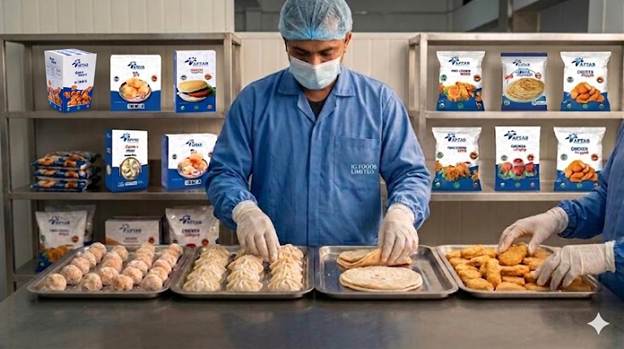
Estimated startup investment: BDT 15–40 lakh
Business description
Food is a recurring necessity, making food processing one of the most promising business ideas for Dhaka City. Busy professionals, students, restaurants, and working families need convenient food products that save preparation time.
An entrepreneur can manufacture and sell packaged spices, spice blends, frozen snacks, paratha, samosa, sauces, pickles, dried foods, and ready-to-cook meal ingredients. Start with a narrow product range instead of manufacturing everything at once.
Bangladesh’s agro-processing sector is also identified as a potential area for private-sector competitiveness, supporting the case for exploring value-added food products.
Machinery and equipment
- Commercial grinders and spice mixers
- Vegetable cutters and food slicers
- Stainless-steel preparation tables
- Commercial ovens, fryers, or cooking equipment
- Weighing scales and sealing machines
- Refrigerators or freezers, depending on products
- Food-grade storage containers and quality-control equipment
Raw materials
Spices, flour, rice, lentils, vegetables, cooking oil, salt, sugar, sauces, and approved food ingredients. Packaging materials may include food-grade pouches, jars, labels, and cartons.
Estimated investment breakdown
| Expense | Estimated cost |
| Machinery and equipment | BDT 5–12 lakh |
| Premises, fit-out and utilities | BDT 3–7 lakh |
| Licences, testing and initial packaging | BDT 1–3 lakh |
| Initial raw materials | BDT 2–5 lakh |
| Marketing and distribution | BDT 1–3 lakh |
| Working capital reserve | BDT 3–10 lakh |
| Total | BDT 15–40 lakh |
How to start
- Survey grocery shops, supermarkets, restaurants, and households to identify products with repeat demand.
- Choose two or three products and test recipes, pricing, taste, and shelf life.
- Find an appropriate production space with hygienic water, drainage, ventilation, and storage.
- Complete applicable trade, food safety, labelling, and other regulatory requirements.
- Produce small batches and secure orders from retailers before expanding production.
How to grow
Build a recognizable brand, offer consistent quality, introduce family-size and restaurant-size packs, and develop distributor relationships. Online orders and monthly household subscriptions can supplement retail sales.
Ten-year outlook: Convenience foods and value-added agricultural products can remain relevant, but success will depend on affordability, food safety, product differentiation, and reliable distribution.
2. Digital Marketing, Website Development and AI Solutions Agency
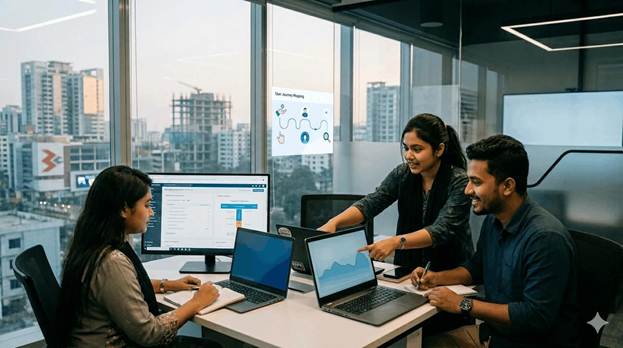
Estimated startup investment: BDT 3–12 lakh
Business description
Thousands of small businesses need websites, search engine optimization (SEO), social media management, online advertising, e-commerce support, and lead generation. Many cannot afford a full in-house marketing department.
A digital agency can serve local retailers, manufacturers, exporters, educational institutions, healthcare providers, restaurants, and foreign companies entering Bangladesh.
The business can also offer AI-assisted customer support, workflow automation, CRM implementation, content production, and business reporting. Bangladesh’s digital services sector is recognized among the country’s investment opportunity areas.
Machinery and equipment
This is primarily a knowledge-based business rather than a manufacturing operation.
- Four to six laptops or desktop computers for a small team
- Reliable broadband and backup power
- Smartphones, microphones, lights, and cameras for content creation
- Website hosting, design software, SEO tools, and analytics platforms
- Project management, CRM, cybersecurity, and backup systems
Raw materials or operating inputs
The primary inputs are skilled labour, software subscriptions, internet connectivity, creative assets, advertising budgets, and client information. Advertising expenditure paid on behalf of clients should be separated from agency service fees.
Estimated investment breakdown
| Expense | Estimated cost |
| Computers and equipment | BDT 1.5–4 lakh |
| Office setup or coworking | BDT 0.5–2 lakh |
| Software and initial subscriptions | BDT 0.3–1 lakh |
| Website, branding and launch marketing | BDT 0.4–1 lakh |
| Initial salaries and working capital | BDT 0.3–4 lakh |
| Total | BDT 3–12 lakh |
How to start
Select two or three specializations, such as websites, SEO, and social media marketing. Create a professional portfolio, develop sample projects, and approach businesses with specific improvement proposals. Offer monthly service packages with clear deliverables.
How to grow
Move from one-time projects to recurring retainers. Build specialized teams for different industries, develop standard operating procedures, and target overseas clients. AI can improve productivity, but human quality control, strategy, and measurable results remain essential.
Ten-year outlook: Businesses will continue needing digital visibility and technology support. The most defensible agencies will specialize in a sector and demonstrate measurable business results instead of selling generic posting services.
3. Elderly Care and Professional Home-Care Services

Estimated startup investment: BDT 8–25 lakh
Business description
Many Dhaka households have working family members who need reliable support for elderly parents, people recovering from illness, and individuals requiring help with everyday activities.
A home-care agency can arrange trained caregivers, companionship, mobility assistance, appointment support, personal care, and non-clinical home assistance. Nursing, physiotherapy, and other clinical services should be provided only through appropriately qualified professionals and authorized arrangements.
The main advantage is the possibility of recurring monthly service contracts.
Machinery and equipment
- Caregiver uniforms and protective equipment
- Blood-pressure monitors and thermometers, where appropriate
- Wheelchairs, walkers, and basic mobility aids for rental or supply
- First-aid kits and communication devices
- Staff scheduling and customer management software
- A vehicle or transport arrangement if needed
Raw materials or operating inputs
Trained personnel, recruitment and background checks, staff training, protective supplies, transport, insurance where available, and customer service systems.
Estimated investment breakdown
| Expense | Estimated cost |
| Office and basic equipment | BDT 1–4 lakh |
| Recruitment, training and checks | BDT 1–3 lakh |
| Marketing and customer acquisition | BDT 1–2 lakh |
| Staff payroll and operating reserve | BDT 4–12 lakh |
| Registration, compliance and contingency | BDT 1–4 lakh |
| Total | BDT 8–25 lakh |
How to start
Begin with home-care coordination rather than opening a residential facility. Recruit carefully, verify credentials, establish safeguarding and emergency procedures, and define exactly which services are included in each package. Build relationships with hospitals, physicians, diagnostic centres, and community organizations without implying medical endorsements.
How to grow
Introduce scheduled visits, full-day assistance, family reporting, caregiver replacement guarantees, and service packages for expatriate Bangladeshis supporting parents in Dhaka. Monitor staff retention and customer satisfaction closely.
Ten-year outlook: The need for dependable care may increase as family structures, working patterns, and life expectancy change. Trust, ethical conduct, and consistent service quality will determine long-term viability.
4. Commercial Laundry and Linen-Cleaning Service
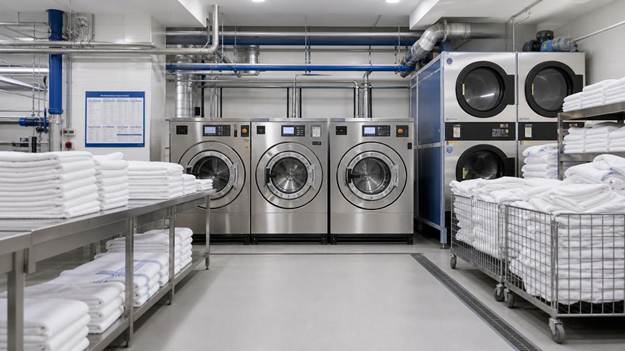
Estimated startup investment: BDT 12–35 lakh
Business description
Dhaka’s apartments, hostels, restaurants, salons, hospitals, gyms, and hotels generate recurring laundry needs. A professionally managed laundry business can provide washing, drying, ironing, folding, collection, and delivery.
Instead of competing only for household customers, focus on business-to-business contracts. Hotels and serviced apartments need clean linen regularly, while offices and restaurants may require uniforms and tablecloths.
Machinery and equipment
- Commercial washing machines
- Industrial dryers
- Steam irons and ironing tables
- Water tanks, pumps, and filtration systems
- Laundry carts and weighing scales
- Detergent dosing equipment
- Dry-cleaning equipment only if that service is planned
Raw materials
Detergents, fabric softeners, stain removers, packaging bags, water, electricity, and fuel where applicable.
Estimated investment breakdown
| Expense | Estimated cost |
| Commercial machines | BDT 5–15 lakh |
| Plumbing, electrical and fit-out | BDT 2–5 lakh |
| Deposits and premises preparation | BDT 1–4 lakh |
| Supplies and launch marketing | BDT 1–2 lakh |
| Payroll, utilities and working capital | BDT 3–9 lakh |
| Total | BDT 12–35 lakh |
How to start
Choose a location with convenient delivery access and reliable utilities. Interview nearby businesses to estimate kilograms of laundry per day. Calculate water, electricity, detergent, labour, maintenance, and transport costs per kilogram before setting prices.
Start with a limited service radius and secure a few recurring customers before buying additional machines.
How to grow
Offer scheduled pickups, subscription plans, digital order tracking, express service at a premium, and dedicated linen management for hotels and restaurants. Add industrial-scale capacity only when contract volume justifies it.
Ten-year outlook: Laundry is an ongoing operational necessity. Energy efficiency, water management, reliable delivery, and long-term institutional contracts can provide a competitive advantage.
5. Waste Collection, Recycling and Upcycled Products
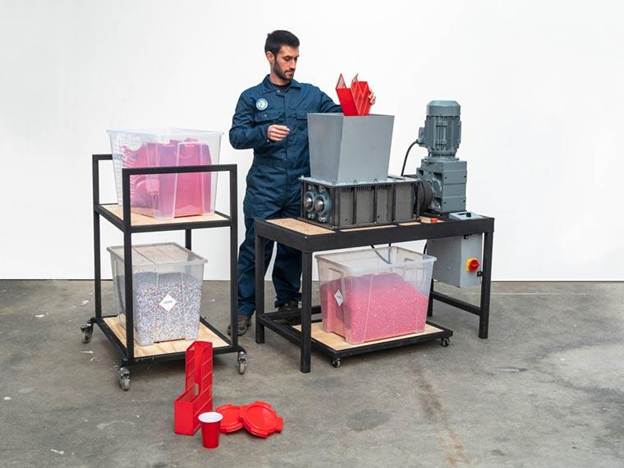
Estimated startup investment: BDT 10–35 lakh for collection and sorting; more for processing
Business description
A waste-management enterprise can collect, sort, aggregate, and sell recyclable materials from apartments, offices, restaurants, retail stores, and commercial buildings. Potential materials include cardboard, paper, selected plastics, metal scrap, and textile waste.
The simplest entry model is a collection-and-sorting service. More capital-intensive models process plastic into flakes or pellets, recycle paper, or manufacture products using recovered materials.
Bangladesh’s industrial development creates opportunities in recycling and resource recovery, although feedstock quality, environmental compliance, and access to buyers are critical.
Machinery and equipment
- Digital weighing scales
- Sorting tables and storage bins
- Hand pallet trucks and collection carts
- Commercial tricycles or a small collection vehicle
- Plastic baler or compactor
- Industrial shredder for a processing model
- Washing and pelletizing equipment for more advanced operations
Raw materials
The business’s raw material is collected recyclable waste. Other operating inputs include sacks, protective gloves, safety boots, containers, transport fuel, and sorting labour.
Estimated investment breakdown
| Expense | Estimated cost |
| Collection equipment and weighing scales | BDT 1–3 lakh |
| Small warehouse deposit and setup | BDT 2–5 lakh |
| Collection vehicle or transport arrangements | BDT 2–8 lakh |
| Sorting equipment and safety supplies | BDT 1–4 lakh |
| Initial operating capital | BDT 4–10 lakh |
| Total for collection and sorting | BDT 10–30 lakh |
A basic processing facility may require approximately BDT 20–35 lakh or more, depending on the machinery and processing capacity. A fully equipped washing and pelletizing line may exceed this budget substantially.
How to start
Identify recyclable materials with established buyers. Obtain written price quotations from recyclers and manufacturers, then estimate collection costs per kilogram. Secure agreements with apartment buildings, offices, and commercial premises before investing in a warehouse.
Separate materials correctly and maintain safe storage. Obtain applicable environmental, trade, fire, and other permissions before processing waste.
How to grow
Establish collection subscriptions with building managers, create traceability reports for corporate customers, and sell sorted materials under quality specifications. Once reliable supply and buyers are secured, consider baling, shredding, or manufacturing recycled products.
Ten-year outlook: Resource recovery may become increasingly important as businesses seek to reduce waste and use materials more efficiently. However, profitability depends on commodity prices, contamination rates, logistics costs, and responsible waste handling.
6. E-commerce and Niche Online Retail

Estimated startup investment: BDT 4–15 lakh
Business description
Online retail allows entrepreneurs to reach customers without the expense of operating a large showroom. Dhaka is a particularly promising market to test a focused online business: Bangladesh Bureau of Statistics survey results reported by BSS in June 2026 indicated that Dhaka Division had the country’s highest share of internet users purchasing goods or services online.
Rather than launching a general-purpose marketplace, specialize in a product category such as modest fashion, children’s essentials, office supplies, home organizers, locally made handicrafts, or carefully sourced specialty foods.
Machinery and equipment
- Computers and smartphones
- Product photography setup
- Storage racks and shelves
- Digital weighing scale
- Thermal label printer
- Packaging table and sealing tools
- Inventory management and order processing software
Raw materials or inventory
Finished goods purchased from manufacturers or wholesalers, cartons, courier bags, labels, protective packaging, and inventory supplies.
Estimated investment breakdown
| Expense | Estimated cost |
| Initial inventory | BDT 1.5–6 lakh |
| Website and digital storefront | BDT 0.3–1.5 lakh |
| Photography and packing equipment | BDT 0.3–1 lakh |
| Branding and initial advertising | BDT 0.5–2 lakh |
| Storage, fulfilment and working capital | BDT 1.4–4.5 lakh |
| Total | BDT 4–15 lakh |
How to start
Select a product category with repeat purchases or a clear unmet need. Compare competitors’ prices, customer reviews, return policies, and delivery promises. Test demand through pre-orders or a small inventory before making bulk purchases.
Use a secure website or established social-commerce channels, maintain accurate product descriptions, and make delivery charges and return terms transparent.
How to grow
Introduce customer loyalty programmes, repeat-order reminders, bundles, subscription products, and private-label products. Track gross margin after advertising, packaging, delivery, returns, and payment collection costs.
Ten-year outlook: Online retail can remain relevant as consumers become more comfortable with digital purchasing. Specialized products, dependable fulfilment, and customer trust are more sustainable advantages than simply offering the lowest price.
7. Solar Energy Products and Installation Services
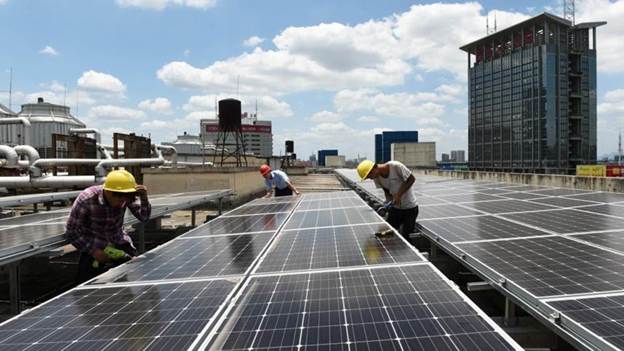
Estimated startup investment: BDT 8–25 lakh for an installation and distribution business
Business description
Solar energy offers entrepreneurs an opportunity to supply equipment and installation services to homes, offices, factories, educational institutions, and commercial buildings.
A small business can begin by assessing customer electricity requirements, sourcing quality equipment, installing rooftop solar systems through qualified technicians, and providing maintenance. This requires much less capital than manufacturing solar panels or mounting structures.
Machinery and equipment
- Electrical testing instruments and multimeters
- Insulated tools and crimping equipment
- Safety harnesses and roof-access equipment
- Drills and installation tools
- Laptop-based system design software
- Demonstration inverters, panels, and charge controllers
Raw materials and inventory
Solar panels, inverters, mounting structures, cables, connectors, breakers, earthing materials, and batteries where required.
Estimated investment breakdown
| Expense | Estimated cost |
| Tools and testing equipment | BDT 1–3 lakh |
| Demonstration stock and initial inventory | BDT 2–7 lakh |
| Office, storage and setup | BDT 1–3 lakh |
| Technician recruitment and training | BDT 1–3 lakh |
| Marketing, transport and working capital | BDT 3–9 lakh |
| Total | BDT 8–25 lakh |
This budget assumes installation and distribution rather than manufacturing. Larger projects may require substantially more working capital.
How to start
Build relationships with reputable equipment suppliers and experienced electrical technicians. Begin with smaller installations and maintenance contracts. Prepare site assessments, load calculations, transparent quotations, warranties, and safety procedures for every project.
Verify applicable electrical, grid-interconnection, and other technical requirements for the intended installation.
How to grow
Develop commercial rooftop projects, maintenance agreements, energy audits, and equipment replacement services. Offer customers clear documentation of expected generation, system limitations, and estimated payback rather than promising guaranteed savings.
Ten-year outlook: Energy efficiency and distributed generation may create long-term opportunities. The business must adapt to changing equipment costs, financing conditions, technical standards, and electricity policies.
8. Professional Skill Development and Vocational Training Centre
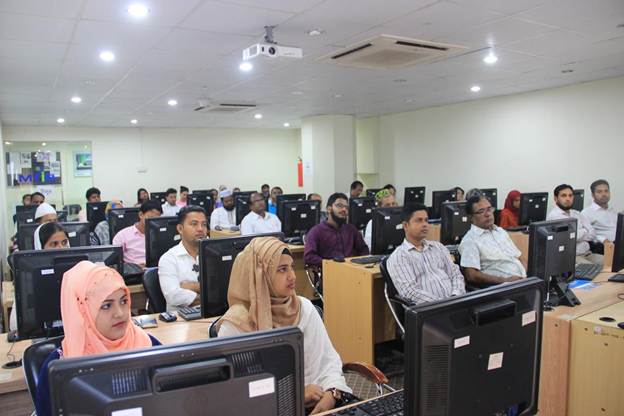
Estimated startup investment: BDT 5–18 lakh
Business description
Students, graduates, job seekers, and working professionals need practical skills that help them obtain employment, start businesses, or improve productivity.
A training centre can offer courses in digital marketing, graphic design, web development, business communication, accounting software, office applications, e-commerce operations, and export-import procedures.
The strongest model focuses on practical outcomes rather than simply issuing course certificates.
Machinery and equipment
- Desktop computers or laptops
- Projector or interactive display
- Internet connection and backup power
- Desks, chairs, whiteboards, and headsets
- Licensed software and learning-management systems
- Recording equipment for hybrid or online classes
Raw materials or operating inputs
Course materials, software, trainer fees, internet services, advertising, printed workbooks, and student support systems.
Estimated investment breakdown
| Expense | Estimated cost |
| Computers and classroom equipment | BDT 2–7 lakh |
| Premises and furniture | BDT 1–4 lakh |
| Course development and software | BDT 0.5–1.5 lakh |
| Promotion and enrolment | BDT 0.5–1.5 lakh |
| Trainer payments and working capital | BDT 1–4 lakh |
| Total | BDT 5–18 lakh |
How to start
Interview prospective learners and employers to identify skills gaps. Launch two or three short courses with clearly defined learning outcomes. Recruit trainers with relevant practical experience, prepare exercises and assessments, and gather feedback from the first batch.
Check whether the specific type of training or qualification requires accreditation, approval, or other permissions.
How to grow
Offer evening and weekend classes, corporate training, online courses, recorded lessons, and specialized professional programmes. Develop partnerships with employers for internships or recruitment where feasible.
Ten-year outlook: Technology and workplace requirements will continue to change, creating demand for ongoing reskilling. Courses must be updated regularly, and training quality should be measured through demonstrated skills and employment outcomes.
9. Diagnostic Sample Collection and Healthcare Support Services
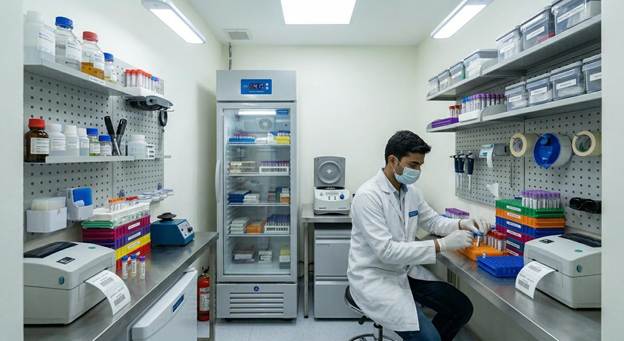
Estimated startup investment: BDT 10–30 lakh for a limited collection-centre model, subject to licensing and facility requirements
Business description
Healthcare support is a potentially resilient business category because people need access to medical services throughout their lives. A sample collection centre can coordinate patient appointments, collect appropriate specimens through qualified personnel, and arrange transport to an authorized diagnostic laboratory.
A separate business model provides appointment scheduling, patient transport coordination, and administrative support to licensed healthcare providers.
The distinction is important: a sample collection centre is not the same as a fully equipped diagnostic laboratory, which can require much higher investment and more extensive compliance.
Machinery and equipment
Depending on the approved operating model:
- Medical refrigerator or validated specimen storage equipment, where required
- Phlebotomy chairs and examination furniture
- Approved specimen collection and transport containers
- Temperature monitoring equipment
- Personal protective equipment and sharps containers
- Computer, printer, and patient management software
- Handwashing and infection-control facilities
Raw materials and operating inputs
Approved collection tubes, needles, swabs, specimen containers, gloves, disinfectants, labels, and laboratory transport supplies.
Estimated investment breakdown
| Expense | Estimated cost |
| Premises and fit-out | BDT 2–6 lakh |
| Equipment and furniture | BDT 2–6 lakh |
| Initial consumables and safety supplies | BDT 1–3 lakh |
| IT, registration and setup | BDT 1–3 lakh |
| Staffing and working capital | BDT 4–12 lakh |
| Total | BDT 10–30 lakh |
These figures are preliminary and do not establish the minimum capital needed to meet any particular regulatory standard.
How to start
First confirm the required approvals with the relevant health authorities. Develop an agreement with a licensed diagnostic laboratory, establish specimen handling and transport procedures, and employ appropriately qualified personnel. Maintain confidentiality, infection-control standards, and accurate patient identification.
How to grow
Offer appointment scheduling, home sample collection where permitted, corporate health-screening coordination, and digital report delivery through authorized partners. Expansion should follow verified demand and documented quality performance.
Ten-year outlook: Healthcare access and convenience may remain important growth areas. The business is suitable only for entrepreneurs prepared to maintain strict professional, legal, safety, and data-protection standards.
10. Commercial Cleaning, Facility Management and Pest-Control Services
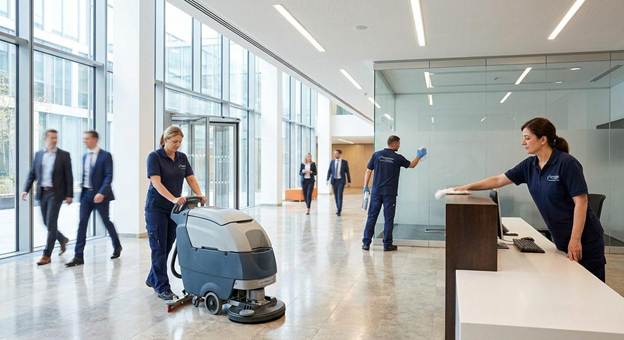
Estimated startup investment: BDT 5–18 lakh
Business description
Dhaka has a wide range of offices, apartment buildings, shopping spaces, restaurants, educational institutions, and commercial facilities that require regular cleaning and maintenance. A service company can provide office cleaning, floor polishing, washroom sanitation, post-construction cleaning, water-tank cleaning, and general facility support. Pest control can be added only after arranging the appropriate training, safe products, and applicable permissions.
The main attraction is recurring revenue through monthly contracts rather than relying exclusively on one-time jobs.
Machinery and equipment
- Commercial vacuum cleaners
- Floor scrubbers and polishing machines
- Pressure washers
- Wet-and-dry vacuum systems
- Cleaning carts and storage containers
- Personal protective equipment
- Measuring and application equipment for authorized pest-control services
Raw materials
Cleaning agents, disinfectants, detergents, microfiber cloths, mops, brushes, garbage bags, gloves, and other consumables.
Estimated investment breakdown
| Expense | Estimated cost |
| Cleaning machinery and tools | BDT 1.5–5 lakh |
| Uniforms and protective equipment | BDT 0.5–1.5 lakh |
| Office and storage setup | BDT 0.5–2 lakh |
| Marketing and client acquisition | BDT 0.5–1.5 lakh |
| Staff wages, transport and working capital | BDT 2–8 lakh |
| Total | BDT 5–18 lakh |
How to start
Identify a small service area and target office buildings, apartment management committees, restaurants, and retail outlets. Prepare service checklists, staff training procedures, quotations, and contracts specifying the frequency and scope of cleaning.
Use chemicals according to their labels, provide suitable protective equipment, and establish procedures for handling complaints and workplace incidents.
How to grow
Secure monthly contracts, develop specialized cleaning teams, offer emergency or deep-cleaning services, and introduce digital scheduling and quality inspections. Track profitability separately for each contract so that labour, transport, and consumable costs do not erode margins.
Ten-year outlook: Clean, safe, and well-maintained buildings will remain important to residents and businesses. Professional management, trained staff, and dependable service delivery can differentiate a company from informal competitors.
Comparative investment guide: Which business should you choose?
The following table summarizes the estimated capital needed to launch each business. These are planning ranges, not supplier quotations or guaranteed minimums.
| Business idea | Estimated startup capital | Business model |
| Food processing | BDT 15–40 lakh | Manufacturing and retail |
| Digital marketing and AI agency | BDT 3–12 lakh | Professional services |
| Elderly care | BDT 8–25 lakh | Recurring service contracts |
| Commercial laundry | BDT 12–35 lakh | Service and institutional contracts |
| Waste collection and recycling | BDT 10–35 lakh | Collection, sorting and processing |
| Niche e-commerce | BDT 4–15 lakh | Online retail |
| Solar installation services | BDT 8–25 lakh | Equipment sales and installation |
| Skill development centre | BDT 5–18 lakh | Training and education |
| Diagnostic sample collection | BDT 10–30 lakh | Healthcare support |
| Commercial cleaning | BDT 5–18 lakh | Recurring service contracts |
The estimates are not directly comparable in profitability or risk. Healthcare, food production, and recycling may require additional compliance or infrastructure investment. Some businesses can also be piloted with less capital through outsourcing, partnerships, or shared facilities.
How to choose the most profitable business for Dhaka City
A good business idea becomes profitable when it matches customer demand with an efficient operating model. Before investing, assess five important factors.
- Validate demand before purchasing machinery. Interview potential customers, collect competitor quotations, and try to obtain preliminary orders or letters of intent.
- Calculate the complete cost of doing business. Include rent, salaries, utilities, delivery, marketing, maintenance, taxes, financing, and replacement of equipment not just the initial setup cost.
- Prioritize recurring revenue. Monthly service contracts, subscriptions, repeat food purchases, and ongoing maintenance agreements can make cash flow more predictable.
- Start with a manageable scale. Test your model with a small customer base. Expand only after you have evidence of repeat demand, acceptable margins, and reliable operations.
- Check legal and regulatory requirements. Depending on the business, these may include trade licensing, tax registration, food safety requirements, environmental approvals, fire safety, and sector-specific permissions. Confirm the applicable requirements with the relevant authorities before commencing operations.
A practical recommendation by investment budget
Budget below BDT 5 lakh
Consider a specialized digital marketing service or a small, inventory-light online retail pilot. Focus on acquiring paying customers before increasing expenditure.
Budget of BDT 5–15 lakh
Consider commercial cleaning, skill development, niche e-commerce, or a small digital agency. These models can be developed gradually, although staffing and customer acquisition still require careful management.
Budget of BDT 15–40 lakh or more
Consider food processing, commercial laundry, recycling, or solar installation. Evaluate machinery utilization, supplier terms, working capital, and regulatory requirements before committing funds.
Conclusion
The top 10 profitable business ideas for Dhaka City cover both essential services and emerging commercial opportunities. Food processing can serve recurring household demand; digital agencies can help businesses reach customers; elderly care and healthcare support address important service needs; and laundry, recycling, solar installation, vocational training, e-commerce, and facility management offer different paths to building a sustainable enterprise.
There is no single business that is guaranteed to remain profitable for the next decade. The strongest opportunity is one that solves a genuine problem, serves a clearly defined customer group, maintains healthy unit economics, and adapts to changes in technology, regulation, and consumer behaviour.
My recommendation: Before selecting a business, prepare a simple feasibility study covering target customers, competitors, startup expenditure, monthly operating costs, expected sales, break-even volume, and downside scenarios. A carefully validated small business can be a better investment than a larger operation launched without sufficient market evidence.
For entrepreneurs who need professional support, Trade & Investment Bangladesh (T&IB) offers business consultancy, mentorship, market research, product positioning, and business promotion services. Explore its website at tnibbangladesh.com.
Comments